
Understanding flat feet in adults
Flat feet, also called fallen arches, means the arch of the foot is low or touches the ground when you stand. Many adults have flat feet from childhood and never have trouble. If you are looking for flat feet treatment for adults, the key question is whether your arch is causing pain or problems. Not every flat foot needs treatment, and we will tell you honestly if yours does not.
Sometimes a flat foot develops later in life. This can happen from tendon wear, injury, arthritis, weight changes or long years on your feet. A sudden change in the arch, or pain on the inner ankle, is worth checking. It may involve the posterior tibial tendon, which helps hold the arch up. These changes often come on slowly, so they are easy to miss at first.
At Washington Foot & Ankle Sports Medicine, we look at how your foot works, not just how it looks. Dr. Lawrence Maurer and Dr. Kate Cryderman use biomechanical exams and gait analysis to see how your arch handles load. Care is conservative first, and surgery is only for select cases. Adults from Kirkland, Totem Lake, Redmond and Seattle visit us for arch and gait concerns.
Signs and symptoms
- Aching or tired feeling in the arch
- Pain along the inner ankle or inside of the foot
- Heel pain or arch pain after standing or walking
- The foot rolling inward when you walk
- Shoes wearing down faster on the inside edge
- Knee, hip or low back pain linked to how you walk
- A change in arch shape over time, or swelling on the inside of the ankle
Common causes
Lifelong flexible flat foot
Some people are born with a low arch that flattens when they stand. It is often painless, but it may become sore with heavy activity or long hours on the feet.
Posterior tibial tendon problems
This tendon supports the arch. If it becomes weak or worn, the arch may slowly fall, and pain may appear on the inner ankle. Early care is important.
Injury or arthritis
A past foot or ankle injury, or arthritis in the joints of the midfoot, may change the arch over time. These changes can bring stiffness along with pain.
Weight, age and activity load
Added body weight, aging tissues, and long hours of standing or walking can strain the arch. These factors do not cause flat feet alone, but they may add to symptoms.
Tight calves and muscle weakness
Tight calves or weak foot and hip muscles can change how the arch handles load. This can raise strain on the arch, heel and ankle.
How we diagnose it
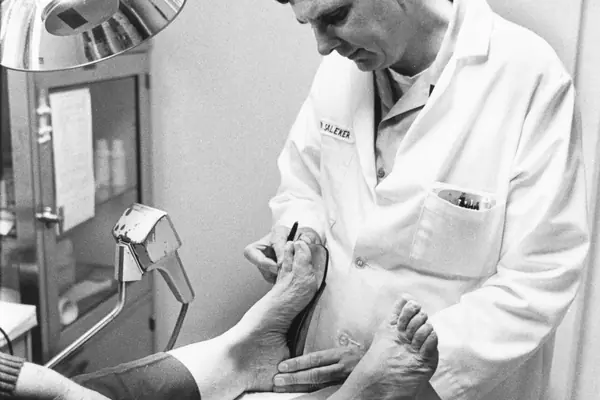
We start with your story, including when you first noticed the flat foot and where it hurts. Then we examine your arch while you stand, sit and walk, and test the strength and flexibility of your foot and ankle. Gait analysis, in person or on video, shows how your foot rolls and how that may affect your knees and hips. Weight-bearing X-rays are used when we need to look at bones and joints, or when a tendon problem is suspected.
Biomechanical exam and gait analysis are part of how we work.
Treatment options
We start with conservative care. Surgery is only discussed when it is the best option for you.
- 1
Supportive footwear
Shoes with a firm heel and good arch support often help. We guide you toward styles that fit your foot, your sport and your daily needs.
- 2
Custom orthotics
Custom orthotics may support the arch and improve how the foot shares load. They are made from your exam and gait findings, and they are a core part of care for many adults.
- 3
Strengthening and stretching
Exercises for the foot, calf and hip may help your arch work better. We show you a simple routine and adjust it as you progress.
- 4
Activity changes
We may adjust how much you run, stand or walk for a while if the arch is sore. A slow return to full activity helps prevent flare-ups.
- 5
Bracing or in-office care
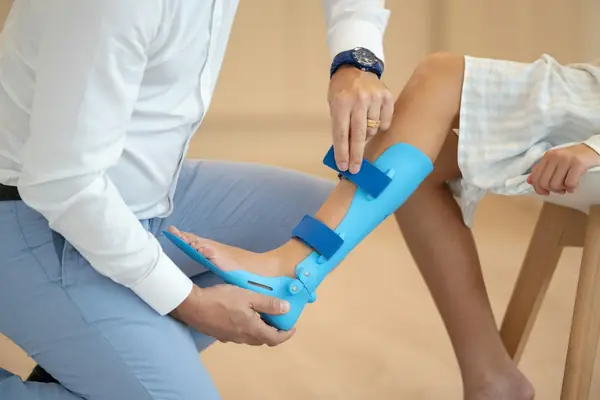
If a tendon is involved, an ankle brace or other conservative therapy may be used to support the area while it recovers. We may also suggest guided rehab for the tendon.
- 6
Surgery for select cases
Surgery may be an option when pain or arch collapse does not respond to conservative care, or when a tendon or joint problem needs repair. We review all options with you.
When to see a podiatrist
- Pain along the inner ankle or arch that lasts more than a couple of weeks
- An arch that seems to be falling or changing shape
- Swelling on the inside of the ankle
- Foot pain that limits walking, work or exercise
- Knee, hip or back pain that may be tied to how you walk
Prevention tips
- Wear shoes with firm support and replace them when worn
- Keep your calves flexible and your foot muscles strong
- Build up activity slowly if you are new to running or walking
- Avoid long hours in flat, unsupportive footwear
- Get new inner ankle pain checked early
Frequently asked questions
Are flat feet in adults a problem?
Not always. Many adults have flat feet and never feel pain. It becomes a concern if you have arch, heel, ankle or knee pain, or if your arch changes over time. A foot exam can show whether your flat feet need care.
Can flat feet cause heel and knee pain?
Yes, sometimes. When the arch lowers and the foot rolls inward, it may add strain to the heel, the inner ankle and even the knee. This is not true for everyone, so a gait exam helps link symptoms to your foot.
Do I need orthotics for flat feet?
Not everyone does. If your flat feet cause no pain, you may need nothing. If they cause symptoms, custom orthotics may help support the arch and share load. We decide based on your exam, your gait and your daily activity.
Why did my arch fall as an adult?
A newly flattening arch can be linked to the posterior tibial tendon, an injury, arthritis or long-term strain. It should be checked. Early care often gives you more options, so book a visit if you notice a change or inner ankle pain.
Where can I get flat feet treatment in Kirkland?
Washington Foot & Ankle Sports Medicine in Kirkland treats flat feet in adults. Our podiatrists use biomechanical exams, gait analysis and custom orthotics, and they start with conservative care. You can call 425-899-3234 to book a visit. Our office is in Kirkland near Totem Lake.
Related care
This page is general information. It is not medical advice and it does not replace an exam. If you have severe pain, an open wound, fever, or sudden numbness, get urgent care. Last updated.