
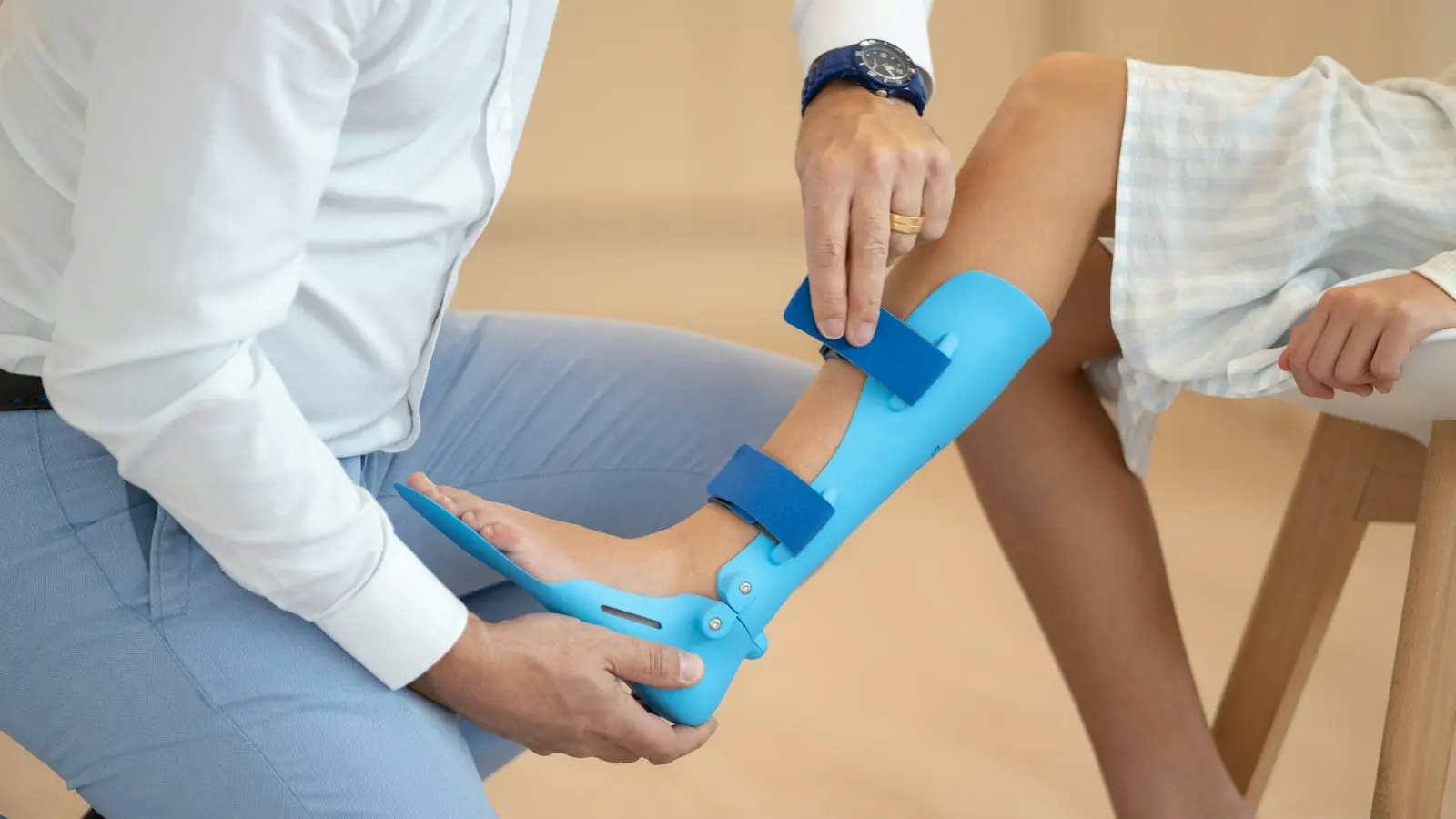
Understanding custom orthotics
Custom orthotics in Kirkland, WA are shoe inserts made for one person. They are not the same as the soft inserts sold in a store. A podiatrist first finds out why your foot hurts. If foot mechanics are part of the cause, an orthotic may help support the foot and spread out stress. They are one tool, and they are not right for every problem.
Store-bought inserts are made in standard shapes and sizes. Some people find them helpful, especially for mild cushioning. A custom orthotic is made from a scan or cast of your feet and from what we learn in your exam and gait review. The shape, firmness and materials can be matched to your foot, your shoes and your activity. This is why a custom device may fit better than a shelf product.
At Run Doctor, we try conservative care first and use orthotics when they make sense. Dr. Maurer and Dr. Cryderman treat runners, hikers, cyclists, skiers and everyday walkers. Patients come from Kirkland, Bellevue, Redmond, Bothell and nearby. We explain what we expect orthotics to do, how long to break them in, and when to check back. Bring your usual shoes to your visit so we can plan around them.
Signs and symptoms
- Heel or arch pain that builds during walking, standing or running
- Pain along the inside or outside of the foot or ankle
- Shoes that wear down quickly on one side
- Sore balls of the feet or pain under the forefoot
- Knee, hip or shin pain that may be linked to how the foot moves
- Tired, aching feet after short activity
- Store-bought inserts that have not helped enough
Common causes
Flat or low arches
When the arch lowers a lot during standing or walking, the foot may roll inward. This can add strain to the arch, heel, shin and knee, and an orthotic may help support the foot.
High, stiff arches
A high arch may not absorb shock well. Pressure can build in the heel and forefoot. A well-made orthotic may help spread that pressure over a larger area of the foot.
Overuse during sport
Running, hiking and court sports repeat the same load again and again. If the foot is not well supported, certain tissues may take extra stress and become painful over time.
Uneven foot motion
Some feet move too much or too little as they land and push off. A biomechanical exam helps show which pattern you have, and that guides the design of the orthotic.
Ill-fitting or worn shoes
Even a good orthotic works best in a shoe that fits well. Worn out shoes or shoes with the wrong shape can add stress, so we review your footwear during the visit.
How we diagnose it
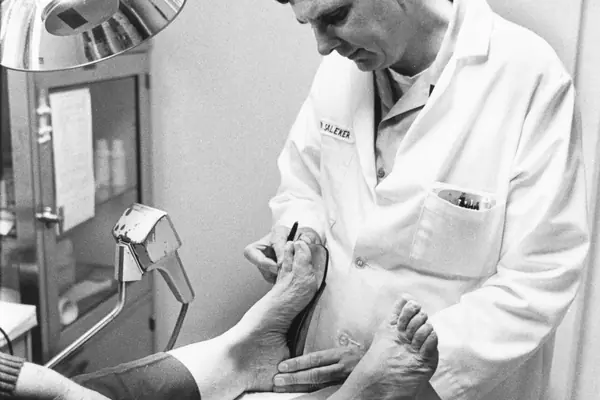
Orthotics start with a diagnosis, not a device. We ask about your pain, your activities and your shoes. Then we do a biomechanical exam, checking foot shape, joint motion, strength and alignment while you stand, walk and sometimes run. Gait analysis helps us see how your foot behaves in motion. If an orthotic is a good fit, we take a scan or cast of your feet and note your goals. Imaging may be used if the exam points to another problem. We then explain the plan and what to expect.
Biomechanical exam and gait analysis are part of how we work.
Treatment options
We start with conservative care. Surgery is only discussed when it is the best option for you.
- 1
Scan or cast based custom orthotics
We capture the shape of your feet with a scan or cast. The orthotic is then made for your feet, your shoes and your sport. Firmness and shape are chosen to match your needs.
- 2
Fitting and break-in guidance
New orthotics often feel different at first. We show you how to wear them in slowly, which shoes work best and what to watch for. We check how they feel and adjust the plan.
- 3
Shoe selection advice
The right shoe helps an orthotic do its job. We discuss shoe shape, depth and support so your orthotics fit well and feel comfortable in your daily and sport shoes.
- 4
Exercises and strengthening
Orthotics often work best alongside exercises for the foot, calf and hip. We may give you simple moves that help your body handle load and support the work of the orthotic.
- 5
Other conservative care
Depending on your diagnosis, we may also suggest activity changes, taping, bracing or other in-office care. Orthotics are one part of a larger plan, not a stand-alone answer.
- 6
Follow-up and adjustments
We check back to see how you are doing. If your pain, shoes or activity change, the plan can change too. In some cases, we may suggest a different orthotic design.
When to see a podiatrist
- Foot or heel pain has lasted more than a couple of weeks
- Store-bought inserts have not given enough relief
- You have pain in the foot, shin, knee or hip that may link to foot mechanics
- Your shoes wear unevenly or fast
- You want help choosing the right kind of support before a race or season
Prevention tips
- Replace worn shoes and inserts on a regular schedule
- Choose shoes that fit the shape and width of your feet
- Break in new orthotics slowly, as advised
- Keep your calves, feet and hips strong and flexible
- Get new foot pain checked before it becomes a longer problem
Frequently asked questions
What is the difference between custom orthotics and store-bought inserts?
Custom orthotics are made from a scan or cast of your own feet and from a full exam. Store-bought inserts come in standard sizes and shapes. Some people do well with off-the-shelf inserts, but custom devices can be matched to your foot, your shoes and your activity.
How do I know if I need custom orthotics?
The best way is an exam. Orthotics may help if foot pain is linked to arch shape, foot motion or overuse, or if store-bought inserts have not helped enough. Many foot problems get better with other care, so we decide what fits you before suggesting any device.
Are custom orthotics in Kirkland made from a scan or a cast?
Custom orthotics can be made from either a digital scan or a cast of your feet. Both capture the shape of your foot so the device can be built for you. We explain the process at your visit and choose the method that suits your needs.
How long does it take to get used to orthotics?
Most people need a short break-in period, and it varies from person to person. We often suggest wearing them for a short time each day, then adding more. Mild awareness is common at first. If you have pain or rubbing, call us so we can check the fit.
Can I use orthotics in running shoes, hiking boots and ski boots?
Often yes, but the shoe must have enough room. Orthotics can be made thinner or shaped for different footwear, such as running shoes, cleats or boots. Tell us which shoes you use most so we can plan the design and check that everything fits well.
Related care

This page is general information. It is not medical advice and it does not replace an exam. If you have severe pain, an open wound, fever, or sudden numbness, get urgent care. Last updated.