
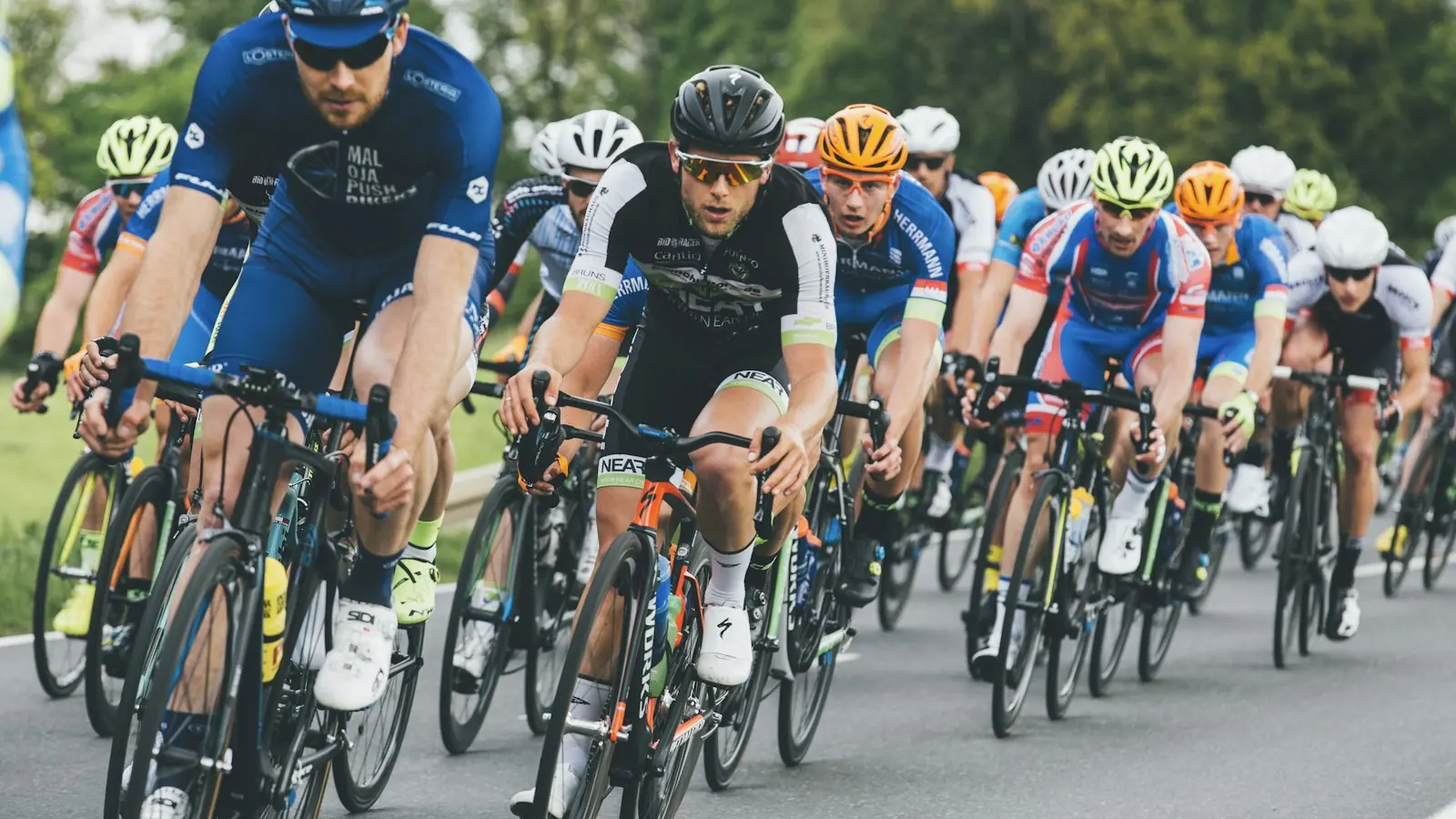
Understanding sports medicine
If foot or ankle pain keeps you from your sport, a sports medicine podiatrist in Kirkland, WA can help. Sports medicine podiatry looks at how your feet, ankles and legs handle the stress of training. At Run Doctor, we treat runners, soccer players, hikers, cyclists, skiers and weekend athletes. You do not have to be an elite athlete. If pain changes how you move or what you love to do, it is worth a look.
Dr. Lawrence Maurer is a foot and ankle surgeon who runs, skis and mountain bikes. Dr. Kate Cryderman grew up in Kirkland, played college sports and has a special interest in sports medicine and biomechanics. Both understand how hard it is to sit out. They know most athletes want a plan that gets them back to activity safely, not just a quick fix for the day.
We start with conservative care. That can include activity changes, strength and mobility work, better footwear, taping or bracing, and custom orthotics when they make sense. We also study your gait, on video or in person. Surgery is only discussed when it is the best option or when other care has not helped. Patients visit us from Kirkland, Totem Lake, Bellevue, Redmond, Woodinville, Bothell and Seattle.
Signs and symptoms
- Pain in the heel, arch, forefoot or ankle that starts or gets worse with activity
- Pain in the shin or calf during or after a run
- Swelling or bruising after a twist, fall or hard landing
- Stiffness in the first steps after rest, or in the morning
- Pain that forces you to cut a workout short or skip it
- A feeling that the ankle is weak or gives way
- Pain that returns every time you build up mileage or training time
Common causes
Training errors
Adding mileage, speed, hills or jumping too fast is a common reason for overuse injuries. Tissues need time to adapt, and pain often shows up when the load grows faster than the body can handle.
Foot structure and alignment
Flat feet, high arches and other alignment patterns can change how force travels through the foot, ankle, shin and knee. Over many miles or games, that extra stress may add up.
Movement patterns
The way you land, push off or pedal affects which tissues take the load. Small changes in stride, cadence or posture may raise strain on one area, such as the Achilles tendon or the arch.
Footwear and equipment
Worn running shoes, stiff ski boots, cleats that do not fit or cycling shoes with poor support can all add stress. Gear that does not match your foot may be part of the problem.
Past injuries and weakness
An old ankle sprain, weak hips, a tight calf or limited ankle motion may change how you move. Your body may then overload another area without you noticing at first.
How we diagnose it
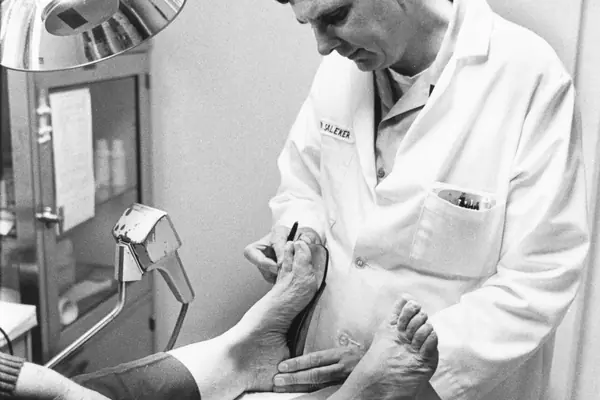
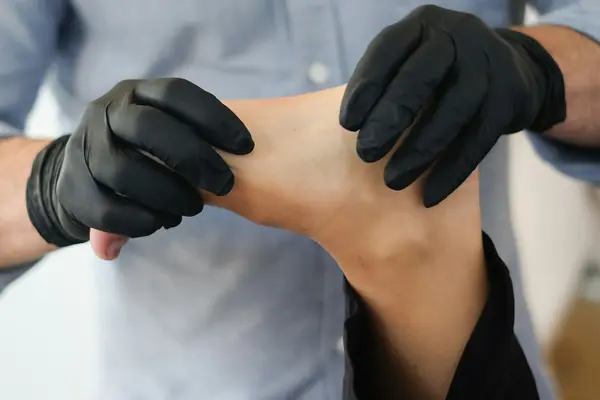
Your visit starts with a talk about your sport, your training, your shoes and when the pain began. Then we examine your feet and ankles, check strength, flexibility and joint motion, and look at your alignment while you stand and move. Gait analysis, on video or in person, shows how you walk or run. We may order an X-ray or other imaging when the exam points to a bone, joint or tendon problem. You leave with a clear explanation and a plan that fits your goals and your calendar.
Biomechanical exam and gait analysis are part of how we work.
Treatment options
We start with conservative care. Surgery is only discussed when it is the best option for you.
- 1
Activity changes and smart rest
We often adjust your training instead of stopping it. That may mean less mileage, softer surfaces or cross training. The goal is to calm the injury while you stay as active as is safe.
- 2
Strength and mobility work
Targeted exercises for the calf, foot, hip and ankle may help your body handle load better. We explain what to do, how often, and how to build back up in steps.
- 3
Footwear advice
We help you choose shoes, boots or cleats that fit your foot shape and your sport. Sometimes a change in shoe type or lacing can make a real difference in comfort.
- 4
Custom orthotics
When foot mechanics are part of the problem, custom orthotics may help support the foot and spread out stress. They are made from a scan or cast of your own feet.
- 5
Taping, bracing and in-office care
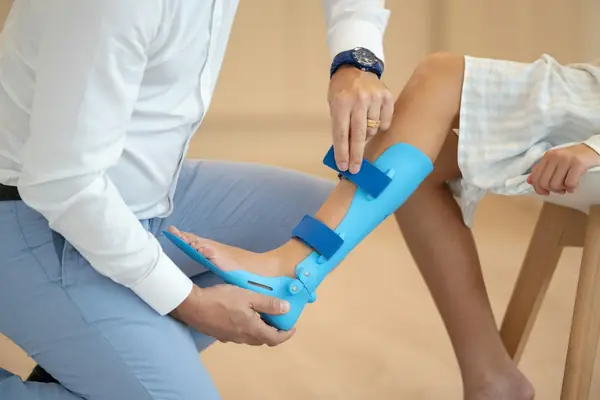
Taping, braces or other supports may protect an injured area while it heals. We also use hands-on and other in-office treatments when they fit your diagnosis.
- 6
Surgery when it is the best option
Surgery is not our first step. It may be discussed if a structural problem needs it or if months of conservative care have not helped. Dr. Maurer is a foot and ankle surgeon.
When to see a podiatrist
- Pain lasts more than a week or two, even with rest
- Pain keeps getting worse or returns every time you train
- You can feel swelling, bruising or a sudden pop after an injury
- Your ankle keeps rolling or feels unstable
- You are training for a race or season and want to prevent problems
Prevention tips
- Build mileage, speed and hills in small steps instead of big jumps
- Replace worn shoes and use gear that fits your foot and sport
- Mix in strength work for the calves, feet, hips and core
- Warm up before activity and vary your surfaces
- Pay attention to early aches and get them checked before they grow
Frequently asked questions
What does a sports medicine podiatrist do?
A sports medicine podiatrist treats foot, ankle and lower leg problems linked to activity. We find why the pain started, look at your shoes, training and movement, and build a plan. Care often includes exercise, footwear advice, bracing or orthotics. Surgery is only one option, and it is not the first step.
Do I need to be an athlete to see a sports podiatrist?
No, you do not need to be an athlete. Weekend hikers, casual runners, recreational soccer players and anyone who walks a lot can benefit. If foot or ankle pain limits something you enjoy, a sports medicine visit may help you understand the cause and find a way back to activity.
Can I keep running while I heal?
Sometimes yes, but it depends on the injury. Some problems allow reduced mileage or cross training, while others, such as a possible stress fracture, may need rest. We examine the area first, then give you a clear plan so you can stay active in a safe way.
How do I find a sports medicine podiatrist in Kirkland, WA?
Look for a podiatrist with a special interest in sports medicine and biomechanics. Run Doctor is in Kirkland near Totem Lake. Dr. Maurer and Dr. Cryderman both treat active people. You can call 425-899-3234 to book. We see patients from across the Eastside and Seattle.
Will I need surgery for a sports injury?
Most foot and ankle sports injuries are first treated without surgery. Rest, load changes, exercises, footwear changes, bracing and orthotics help many people. Surgery may be discussed if a problem is structural, severe, or has not improved with good conservative care. We explain every option before you decide.
Related care
This page is general information. It is not medical advice and it does not replace an exam. If you have severe pain, an open wound, fever, or sudden numbness, get urgent care. Last updated.