

Understanding heel pain
Heel pain is one of the most common reasons people visit a podiatrist. If you are searching for heel pain treatment in Kirkland, WA, the first thing to know is that the heel can hurt for many reasons. The pain may come from a band of tissue, a tendon, a nerve, a bone, or the fat pad under the heel.
The most common cause is plantar fasciitis, which often causes sharp pain with the first steps in the morning. Achilles tendon problems cause pain at the back of the heel. Heel spurs are often blamed, but many spurs do not cause pain. Stress injuries, nerve irritation and growth plate problems in kids can also play a part. Each of these needs a different plan, which is why a guess at home can lose time.
Where the pain sits, and when it shows up, gives strong clues. At Washington Foot & Ankle Sports Medicine, Dr. Lawrence Maurer and Dr. Kate Cryderman look at your feet, your gait and your training. We start with conservative care. Surgery is only discussed when it is the best option. This page links to our detailed guides. We see runners, hikers, parents and workers from Totem Lake, Bellevue, Redmond and across the Eastside.
Signs and symptoms
- Sharp pain under the heel with the first steps after rest
- Pain at the back of the heel, near the Achilles tendon
- Heel pain that builds during or after a run
- Tenderness when you press on the heel
- Aching or bruised feeling after long days on your feet
- Burning, tingling or numb feeling around the heel
- Swelling or warmth at the back of the heel
Common causes
Plantar fasciitis
Irritation of the thick band along the bottom of the foot is the most common cause. It often hurts under the inside of the heel, especially with the first steps of the day.
Achilles tendon problems
Overload of the large tendon at the back of the ankle can cause pain and stiffness just above the heel bone. It often follows a jump in running or hill work.
Heel spurs
A heel spur is a small bony growth. Many people have one and feel nothing. A spur may be present with heel pain, but it is often not the true source.
Stress injury or fat pad irritation
Repeated impact can bruise the heel pad or stress the heel bone. Pain often feels deep, and it may worsen on hard floors or with thin shoes.
Nerve irritation or growth plate pain
A pinched or irritated nerve near the heel can cause burning or tingling. In active kids, the growth plate at the heel can hurt, which is called Sever's disease.
How we diagnose it
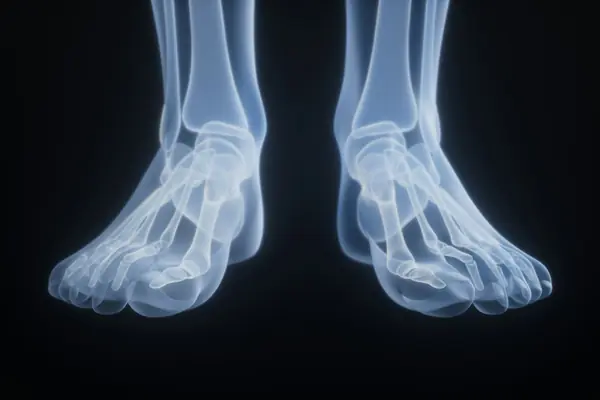
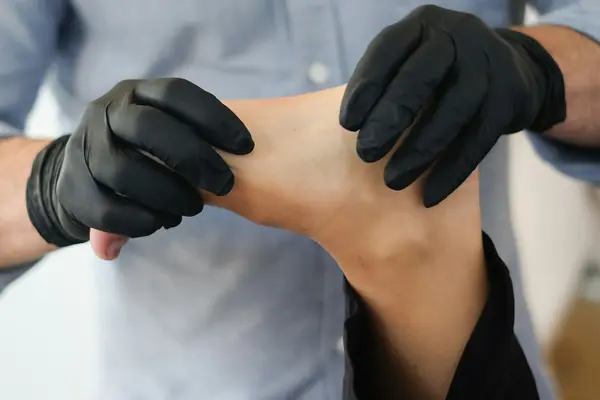
Your visit starts with a talk about when the pain began, where it hurts and what you do each week. Then we check the heel, arch, ankle and calf for tenderness, tightness and strength. We often look at how you stand, walk or run, in person or on video, to spot biomechanical stress. X-rays or other imaging are used when the exam suggests a bone problem, a stress injury or something unusual. The goal is to name the true source of your pain so the plan fits you.
Biomechanical exam and gait analysis are part of how we work.
Treatment options
We start with conservative care. Surgery is only discussed when it is the best option for you.
- 1
Relative rest and activity changes
We often adjust your training or work load for a short time so the area can calm down. You do not always need to stop moving, but you may need to change how much and how hard.
- 2
Stretching and strengthening
Targeted calf and foot exercises may reduce strain on the heel. We show you how to do each one and how to build up over time.
- 3
Supportive shoes and cushioning
The right shoe, heel cushion or arch support can ease load on a sore heel. We help you choose footwear that fits your foot and your sport.
- 4
Custom orthotics
When foot structure or movement adds stress to the heel, custom orthotics may help share that load more evenly. They are made from your exam and gait findings.
- 5
Physical therapy and other in-office care
Hands-on therapy and other conservative options may help calm pain and restore movement. Your plan depends on the cause we find. We may also work with a therapist when you need guided rehab.
- 6
Surgery when needed
Surgery is rarely the first step. It may be discussed if the problem does not improve with a full course of conservative care, or if the cause needs it.
When to see a podiatrist
- Heel pain that lasts more than a couple of weeks
- Pain that is getting worse, or that wakes you at night
- A heel that is swollen, red or warm
- Trouble walking or putting weight on the foot after an injury
- Numbness, tingling or burning around the heel
Prevention tips
- Increase running or walking distance slowly, not all at once
- Wear shoes with good support and replace them when worn out
- Stretch your calves often, especially after workouts
- Mix hard surfaces with softer ones when you train
- Do not ignore early heel soreness, since early care is usually simpler
Frequently asked questions
Why does my heel hurt when I first get up in the morning?
Morning heel pain is most often a sign of plantar fasciitis. The tissue under your foot tightens while you rest, then stretches painfully with the first steps. It often eases as you move. Other causes are possible, so a foot exam can confirm the source and guide your plan.
What is the best heel pain treatment in Kirkland, WA?
The best treatment depends on the cause, so a proper exam comes first. For many people, conservative care works well. That may include stretching, better shoes, activity changes and custom orthotics. Our Kirkland podiatrists tailor the plan to your foot, your sport and your daily routine.
Is a heel spur the reason my heel hurts?
Not always. Many people have heel spurs and feel no pain at all. A spur may show up on an X-ray, but the pain often comes from nearby tissue like the plantar fascia. A full exam helps find what is truly causing your symptoms.
Should I keep running with heel pain?
It depends on the cause and how severe the pain is. Mild soreness may allow reduced running, but sharp or worsening pain is a sign to stop and get checked. Running through a stress injury or tendon problem can make it harder to recover.
When should I see a podiatrist about heel pain?
See a podiatrist if heel pain lasts more than a couple of weeks, keeps getting worse, or limits your daily life. Go sooner if you have swelling, numbness, or trouble walking after an injury. Early care often makes the plan simpler.
Related care

This page is general information. It is not medical advice and it does not replace an exam. If you have severe pain, an open wound, fever, or sudden numbness, get urgent care. Last updated.