
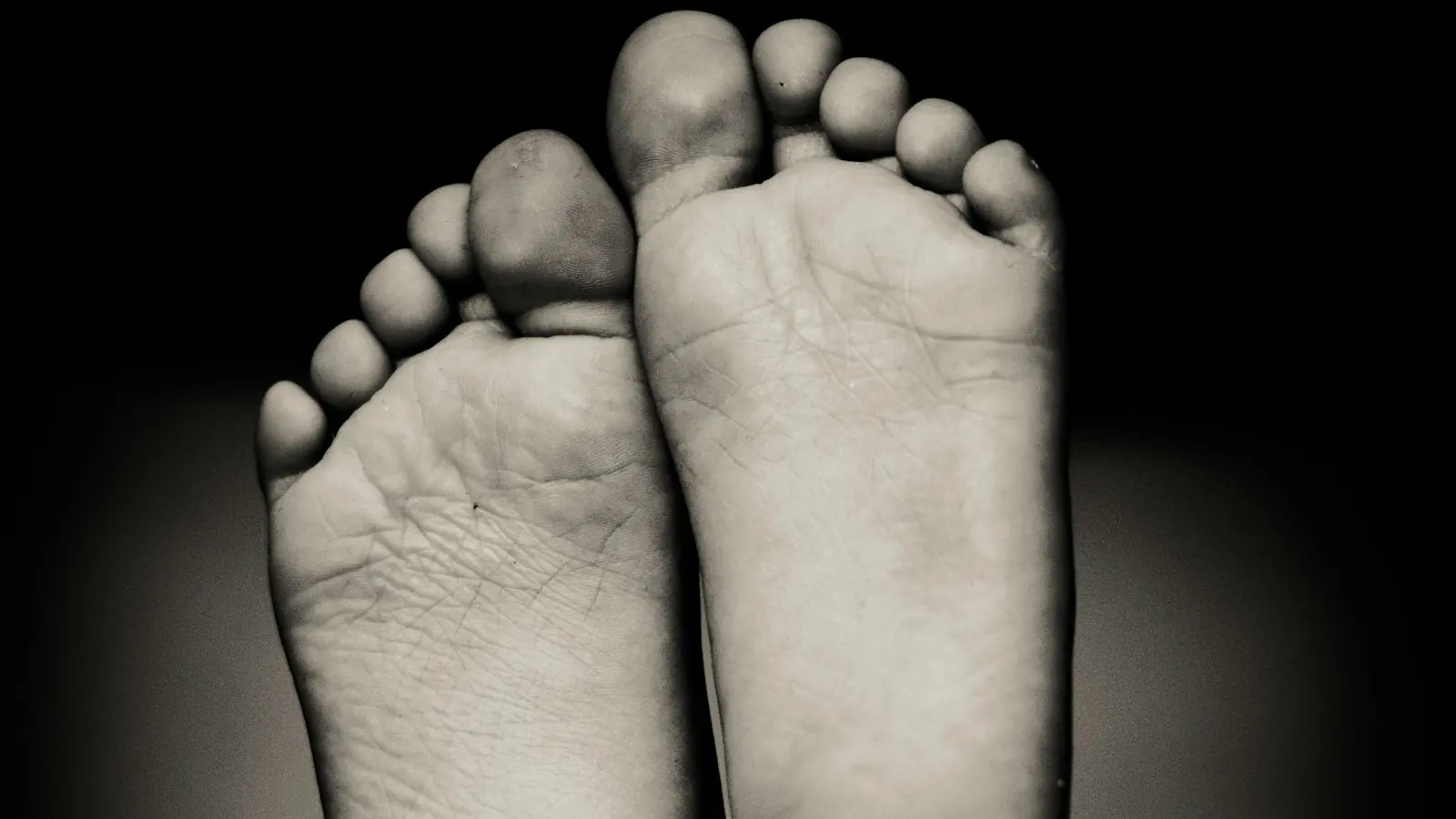
Understanding flat feet in kids
Many parents worry when they see their child's flat feet. The good news is that flat feet are common in young children, and most are flexible. A flexible flat foot shows an arch when your child sits or stands on tiptoes, and it flattens when they stand. That is often normal. Most of the time, a flexible flat foot needs no treatment. The goal of a visit is to be sure, and to give you peace of mind.
Babies are born with fat pads and loose joints that hide the arch. The arch often forms over the first years, though it may take longer for some kids. Many children with flat feet have no pain and run, jump and play just fine. Pain, stiffness and tired legs are the signs that matter most, more than how the arch looks in a photo or on the floor.
Some children do need a closer look. If your child has pain, tires fast, has a stiff foot or walks in a way that worries you, we can help. For children's flat feet treatment in Kirkland, our doctors check the whole picture and only advise care when it is likely to help. We also use video gait analysis when it helps, so we can see how your child's feet move while they walk and run.
Signs and symptoms
- The arch is flat or low when your child stands
- Feet or legs get tired or sore after play or a long day
- Pain in the arch, heel or inner ankle
- Ankles that roll inward when your child stands or walks
- Shoes that wear down on the inner edge
- Your child avoids running or keeping up with friends
- A foot that feels stiff, or that stays flat even on tiptoes
Common causes
Normal development
Young children often have flexible, loose joints and a soft pad under the arch. The arch usually develops with age, so flat feet at this stage are often normal.
Family traits
Foot shape often runs in families. If a parent or sibling has flat feet, your child may have them too, and it is often not a cause for concern.
Loose joints or low muscle tone
Some children have very flexible joints or lower muscle tone. This may let the arch drop more and may add to tiredness in the legs and feet.
Tight calf muscles
A tight calf can change how the foot moves and may increase arch stress. We often check calf flexibility as part of the exam.
Rigid or less common conditions
A stiff flat foot is different from a flexible one. It may be linked to bones that joined in an unusual way, and it needs a proper exam.
How we diagnose it
We begin by asking about pain, activity, family history and any past injuries. Then we look at your child's feet while they sit, stand and stand on tiptoes. We check whether the arch shows up when the foot is off the ground, test joint motion and calf flexibility, and watch your child walk and run. We may use video gait analysis. X-rays are not needed for most flexible flat feet, but may help if the foot is stiff, painful or looks unusual. We then explain what we find in plain words.
Biomechanical exam and gait analysis are part of how we work.
Treatment options
We start with conservative care. Surgery is only discussed when it is the best option for you.
- 1
Reassurance and monitoring
For a flexible flat foot with no pain, the best plan may be to watch and recheck over time. We tell you which changes to look for so you know when to return.
- 2
Supportive shoes
Shoes with good fit and a firm heel may help comfort. We discuss what to look for in everyday and sport shoes, since kids outgrow them quickly.
- 3
Calf stretching and foot exercises
Simple stretches and play-based foot exercises may ease tightness and build strength. We keep them short and fun, so children will do them. We show you how to turn them into games.
- 4
Arch supports or custom orthotics
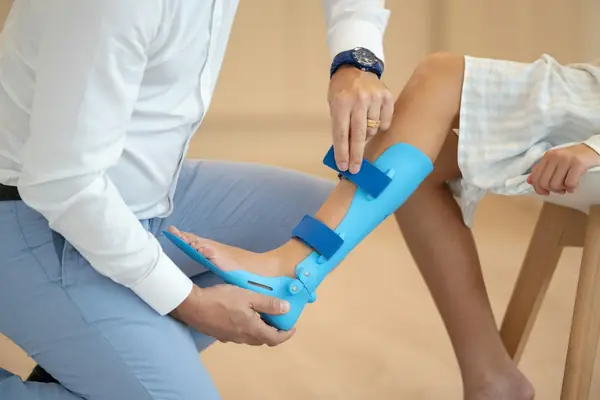
If your child has pain or tires easily, an arch support or custom orthotic may help the foot work better. We do not suggest them for every flat foot.
- 5
Activity guidance
If pain flares during sport, we may suggest changes in how much your child plays for a while, with a plan to return to full play step by step.
- 6
Surgery only in select cases
Surgery is rarely needed. It may be an option for a painful, rigid flat foot that has not improved with conservative care. We would go over every option with you.
When to see a podiatrist
- Your child has foot, arch or ankle pain with a flat foot
- The foot is stiff and the arch does not show when your child rises on tiptoes
- Your child limps, trips a lot or cannot keep up in play
- The flat foot is only on one side, or looks different from the other
- You notice swelling, redness or a bump on the inner side of the foot
Prevention tips
- Choose shoes that fit well and check fit as your child grows
- Let your child go barefoot at home on safe surfaces to build foot strength
- Encourage play like climbing, hopping and walking on tiptoes
- Keep sport and activity changes gradual
- Mention foot or leg tiredness early, so it does not get ignored
Frequently asked questions
Are flat feet normal in children?
Yes, flat feet are common in young children, and most are flexible and normal for their age. Babies and toddlers often have no visible arch yet. The arch usually forms over the first years of life. It is worth a check if there is pain or stiffness.
Will my child outgrow flat feet?
Many children do develop an arch as they grow, but not all. Some people keep a low arch for life and feel fine. What matters most is whether the foot is flexible and pain-free. We can check your child and tell you what to expect.
Does my child need special shoes or orthotics for flat feet?
Not usually. A painless, flexible flat foot often needs only well-fitting shoes. Orthotics may help if your child has pain, tires easily or has other findings on exam. We recommend them only when we think they could help, not for every flat foot.
How do I check my child's flat feet at home?
Ask your child to stand on tiptoes while you look from behind. If an arch appears and the heel turns slightly in, the foot is probably flexible. If the foot stays flat and stiff, or hurts, book an exam. Home checks cannot replace a doctor's evaluation.
Where can I find children's flat feet treatment near Kirkland?
Our Kirkland office sees families from Totem Lake, Bellevue, Redmond and the wider Eastside. We look at your child's feet, explain whether the arch is likely normal and suggest care only when it is needed. Call 425-899-3234 to ask a question or book a visit.
Related care

This page is general information. It is not medical advice and it does not replace an exam. If you have severe pain, an open wound, fever, or sudden numbness, get urgent care. Last updated.