Understanding growing heels (sever's disease)
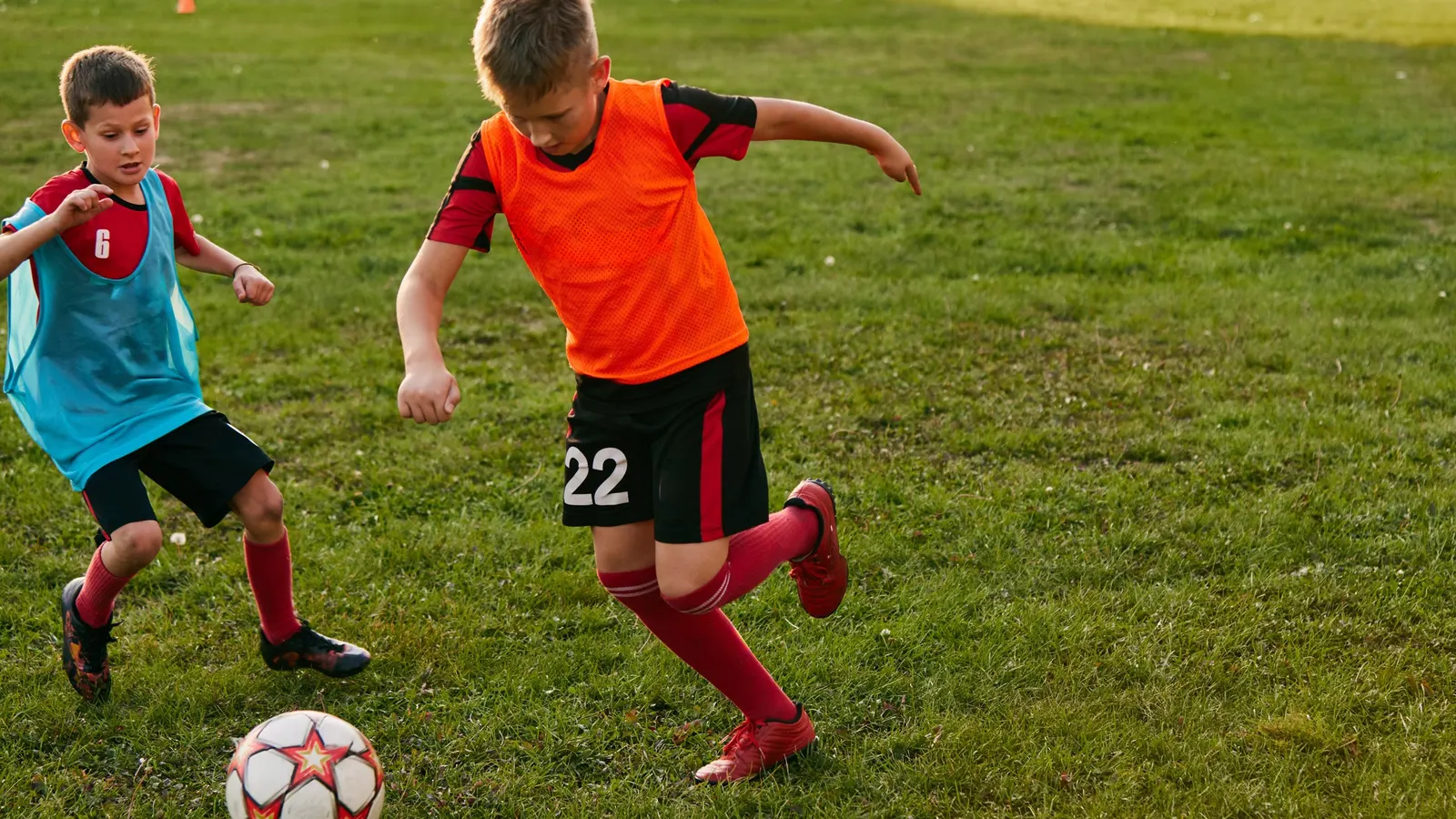
Sever's disease heel pain in kids is one of the most common reasons active children get a sore heel. Its medical name is calcaneal apophysitis. The heel bone has a growth plate at the back, and in kids it is softer than the rest of the bone. Running and jumping can irritate it. Most parents first notice it as a child who starts to limp at practice or says their heel hurts after a game, then feels better the next day.
The name sounds scary, but it is not a true disease. It is an overuse problem tied to growth. It tends to show up in kids around ages 8 to 14, often during a growth spurt, when bones may grow faster than the muscles and tendons around them. Kids who play more than one sport, or who just began a new season, may be more likely to feel it. Boys and girls can both be affected.
Your child may limp after soccer, basketball, gymnastics or running. The pain often settles with rest. At our Kirkland office, we help families work out what is causing the heel pain and build a plan that keeps kids as active as is safe. We take your child's pain seriously, and we also know how much sport means to them, so our plans look for a safe way to keep playing.
Signs and symptoms
- Pain at the back or bottom of the heel, often on one or both sides
- Pain during or after running, jumping or sport
- Limping after practice or at the end of the day
- Tenderness when you squeeze the sides of the heel
- Walking on tiptoes to avoid pressing on the heel
- Heel stiffness or soreness first thing in the morning
- Pain that eases with rest and returns when play starts again
Common causes
Growth spurts
When bones grow fast, the calf muscle and Achilles tendon may become tight. That tightness can pull on the heel's growth plate and may irritate it.
High-impact sports
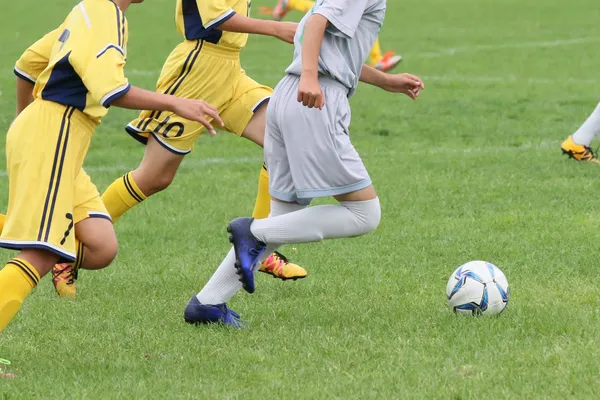
Soccer, basketball, running, gymnastics and similar sports mean many jumps and landings. Repeated impact on the heel adds strain to the growth plate.
A sudden jump in activity
A new season, a new sport or a tough camp can raise the load on the heel quickly. The growth plate may not have time to adapt.
Shoes and playing surfaces
Cleats, worn shoes or very flat shoes may give little cushion. Hard courts and fields can also raise the stress on a child's heel.
Foot structure and how your child moves
Very flat or very high arches and the way a child lands or runs may add stress to the heel. This is one reason we look at gait.
How we diagnose it
We start with your child's story: when the pain began, which sports they play, how much they train and what makes it better or worse. Then we examine the heel, calf, ankle and foot. We often gently press on the heel and test calf flexibility. We watch your child walk and may use video gait analysis. An X-ray is not always needed, but we may suggest one if we want to rule out other causes, such as a fracture. We do not diagnose from symptoms alone, so the exam matters.
Biomechanical exam and gait analysis are part of how we work.
Treatment options
We start with conservative care. Surgery is only discussed when it is the best option for you.
- 1
Rest and activity changes
Easing back from the activity that hurts may help the heel settle. We talk about how much to cut back, so your child can stay as active as is safe.
- 2
Calf and heel stretching
Gentle calf stretches may reduce pull on the heel. We show your child how to do them and how often, and we keep the routine short so it gets done.
- 3
Heel cushions or heel lifts
A soft heel cup or small lift inside the shoe may reduce stress on the heel. We help pick the right option and check how your child feels in it.
- 4
Shoe review
We look at your child's everyday and sport shoes. Better fit, cushion and support may lower strain, and switching worn-out cleats can help too. We make sure the shoes are not too tight.
- 5
Custom orthotics when needed
If foot structure appears to add to the problem, custom orthotics may support the heel and arch. We only recommend them if the exam points that way.
- 6
Further evaluation if pain lingers
If symptoms do not improve with care, we look again for other causes and talk through the next steps. Surgery is not a usual part of Sever's disease care.
When to see a podiatrist
- Heel pain lasts more than a couple of weeks, or keeps returning
- Your child limps, or cannot play or take part in gym without pain
- There was a hard fall or twist, followed by pain, swelling or bruising
- Pain wakes your child at night or is present at rest
- Only one heel hurts and it is getting worse, or the heel looks red or warm
Prevention tips
- Build up training slowly at the start of each season
- Teach your child to stretch the calves before and after play
- Use shoes that fit well and replace worn-out athletic shoes
- Add rest days, and avoid playing the same sport all year without breaks
- Let your child tell a coach and you early when the heels start to hurt
Frequently asked questions
What is Sever's disease in kids?
Sever's disease is irritation of the growth plate at the back of the heel, also called calcaneal apophysitis. It is common in active kids, often around ages 8 to 14. It is not a true disease. It is an overuse problem linked to growth and sport, and it often improves with simple care.
How long does Sever's disease last?
It varies from child to child. Many kids feel better within a few weeks to a few months with care, and it usually fades once the growth plate matures. Pain can come back if activity ramps up too fast, so a plan for sport and stretching may help.
Can my child keep playing sports with Sever's disease?
Often yes, in a limited way, depending on pain. Some kids need to cut back or switch to lower-impact play for a while. We look at your child's sport, pain level and exam, then give clear advice on what is okay and what to avoid.
How do I know if heel pain is Sever's disease?
You cannot be sure at home. Pain at the back of the heel in an active child aged 8 to 14 fits the pattern, but other causes exist, including stress fractures. A podiatrist can examine the heel and decide what testing is needed.
Do kids with heel pain in Kirkland need an X-ray?
Not always. Sever's disease is often found by history and exam alone. We may suggest an X-ray if the pain is severe, follows an injury, is one-sided and worsening, or does not improve with care. The goal is to rule out other causes.
Related care
This page is general information. It is not medical advice and it does not replace an exam. If you have severe pain, an open wound, fever, or sudden numbness, get urgent care. Last updated.