
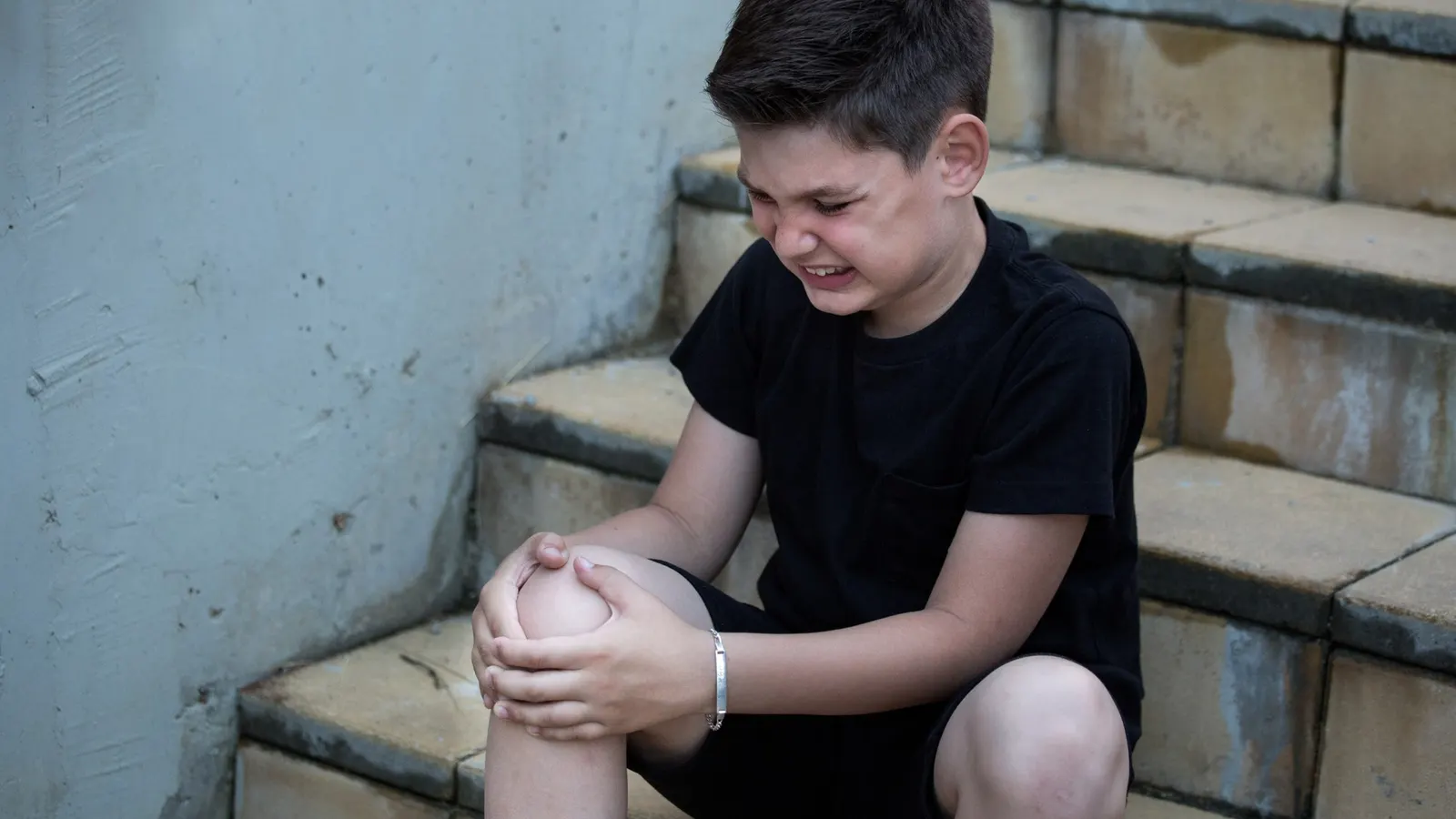
Understanding growing pains and leg pain in kids
Growing pains are aches or throbbing in the legs that many children feel, often in the calves, thighs or behind the knees. They tend to show up in the late afternoon or at night, then fade by morning. Many parents first notice it when a child complains after a busy day of running and play. The name can be misleading, because there is no proof that growth itself hurts. A tired, overworked muscle is a more likely cause.
True growing pains usually affect both legs, come and go and do not cause a limp. The child is back to normal play the next day. This pattern is common between ages 3 and 12, and it often settles by the teen years. Foot pain, pain in one spot or pain that lasts all day is different and needs a closer look.
At Run Doctor in Kirkland, we see many kids with leg and foot aches. Dr. Kate Cryderman and Dr. Lawrence Maurer take the time to find out what is behind the pain. Sometimes it is simple muscle fatigue. Other times it points to flat feet, tight muscles or a problem such as Sever's disease. We explain what we find in plain words, so you know what to do next.
Signs and symptoms
- Aching or throbbing in both legs, often at night
- Pain in the calves, thighs or behind the knees
- Pain after a very active day
- Pain that is gone by the morning
- Kids who rub or hold their legs and want comfort
- No limp and normal play the next day
- Occasional foot or heel soreness after sports
Common causes
Tired muscles
A long day of running, jumping and climbing can leave leg muscles sore. Kids often feel it once they slow down in the evening.
Growth and tight muscles
Bones may grow faster than muscles and tendons for a time. That can make muscles feel tight and sore.
Flat feet or foot strain
Kids with flat or very flexible feet may work their legs harder. This can add to evening aches.
Sudden activity increases
A new sport or a busy season can raise the load on young legs. Pain may follow a big weekend.
Shoes that do not support well
Worn shoes or shoes that do not fit may add strain. Checking the fit is an easy first step.
How we diagnose it
We start with your child's story: where the pain is, when it comes, how long it lasts and what helps. Then we examine the feet, ankles, legs and hips. We look at the arches, test muscle flexibility and watch your child walk and run. Growing pains are diagnosed by ruling out other problems, so we look for signs of injury, joint trouble or other causes. We may suggest an X-ray or other tests if the pain is not typical.
Biomechanical exam and gait analysis are part of how we work.
Treatment options
We start with conservative care. Surgery is only discussed when it is the best option for you.
- 1
Comfort at home
Gentle massage, a warm bath or a heating pad on a low setting may soothe sore legs. Rest and extra cuddles help too.
- 2
Stretching
Short calf and thigh stretches may ease tight muscles. We show your child simple stretches they can do before bed.
- 3
Supportive shoes
Shoes with good fit and support may reduce strain. We help you choose shoes for daily wear and sport.
- 4
Inserts for flat feet
If flat feet add to the problem, an insert may help the foot work better. We only suggest one after an exam.
- 5
Pain relief guidance
Some families use over-the-counter pain medicine. Doses depend on your child's age and weight, so check the label and ask your child's doctor or pharmacist.
When to see a podiatrist
- Pain in only one leg or foot
- Pain that lasts through the day or gets worse
- A limp or trouble walking
- Swelling, redness or warmth in a joint
- Fever, rash or a child who seems unwell
- Pain that wakes your child often over several weeks
- Pain after a fall or injury
- You want to be sure it is nothing more
Prevention tips
- Keep your child active, with a mix of activities
- Replace worn-out shoes and check the fit often
- Warm up and stretch before sports
- Build up new sports slowly
- Make sure your child gets enough sleep and fluids
Frequently asked questions
Are growing pains real?
Kids do get leg aches that fit this pattern. The cause is not fully known, and growth itself may not be the reason. What matters is that true growing pains are mild and go away.
Why does it hurt at night?
Muscles can feel their tiredness when the busy day slows down. Kids notice aches more when they are still and quiet.
Can growing pains cause a limp?
No. A limp is not a typical sign of growing pains and should be checked.
Do flat feet cause growing pains?
They may add to leg fatigue in some children. We check the arches and may suggest shoes or inserts if needed.
When should I worry?
Pain in one leg, swelling, fever, a limp or pain that gets worse are signs to call a doctor. If you are unsure, we are happy to see your child.
Related care
This page is general information. It is not medical advice and it does not replace an exam. If you have severe pain, an open wound, fever, or sudden numbness, get urgent care. Last updated.