
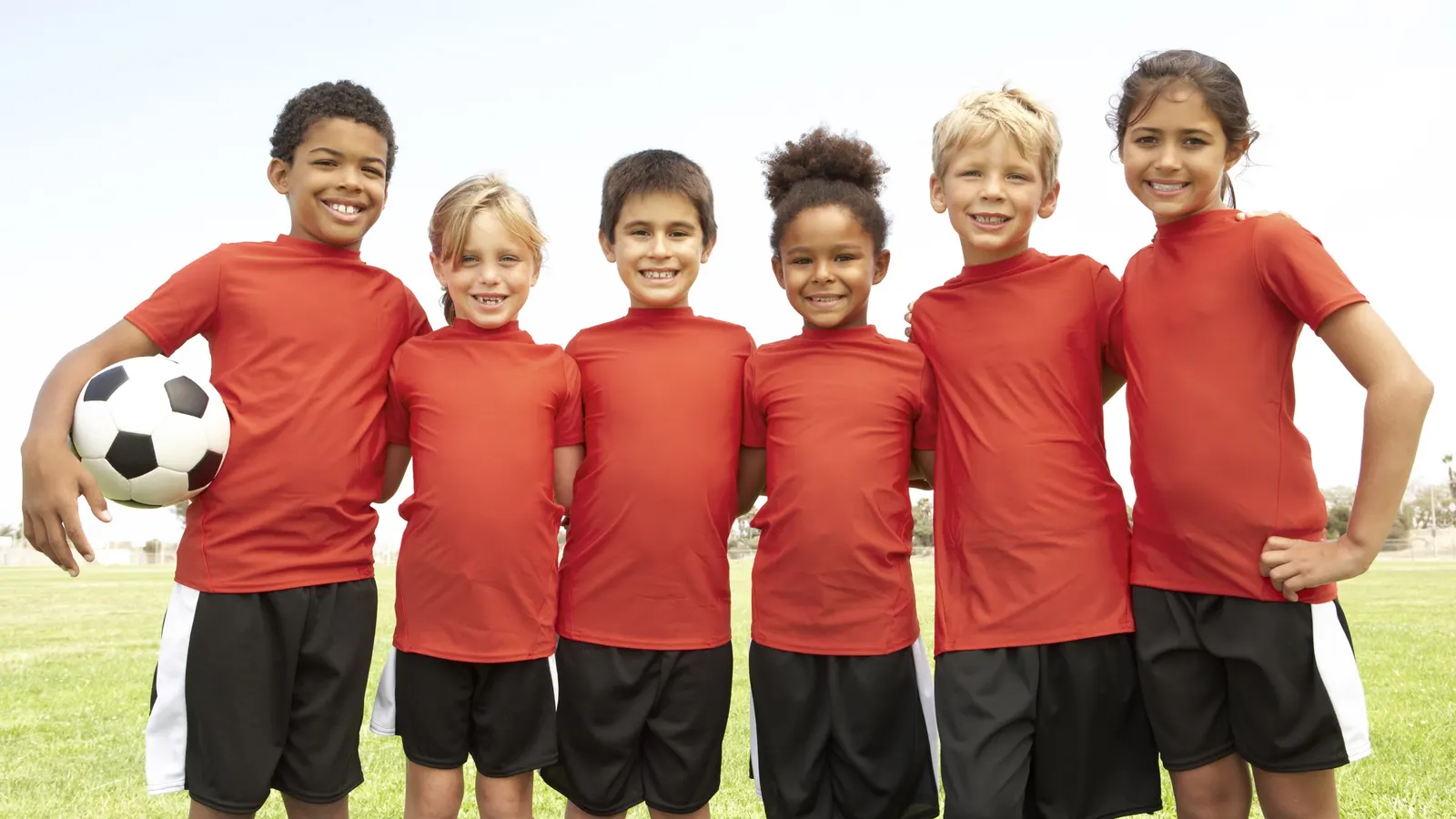
Understanding pediatric podiatry
If you are looking for a pediatric podiatrist in Kirkland, WA, you are in the right place. Kids are not small adults. Their feet are still growing, and the bones, joints and growth plates change from year to year. That is why foot care for children needs a different eye. We want each child to feel at ease, so we keep visits calm, ask for your child's own words and never rush. Parents are part of every decision.
Many things you notice in your child's feet are normal for their age. Flat feet in toddlers and a wobbly walk are good examples. Still, some signs deserve a closer look, like pain, limping, toe walking that does not fade, or a child who stops wanting to play. Knowing what is normal can save you worry, and knowing what is not can save your child pain. Early answers often make care simpler.
At Run Doctor, Dr. Kate Cryderman and Dr. Lawrence Maurer see families from Kirkland, Totem Lake, Bellevue, Redmond and across the Eastside. Dr. Cryderman treats all ages and is a former college athlete. We explain what we see in plain words and start with conservative care first. Families can reach us at 425-899-3234. We welcome questions about growth, shoes, sports and anything else about your child's feet.
Signs and symptoms
- Your child limps, or walks with a bounce or an odd pattern
- Your child complains of foot, heel, arch or ankle pain
- Your child often trips, falls or seems clumsier than other kids
- Your child walks on tiptoes most of the time after the toddler years
- Your child's feet turn in or out, or the arches look very flat
- Your child avoids running or sports because their feet hurt
- Shoes wear out in an uneven way or leave red marks on the feet
Common causes
Normal growth and development
Feet change a lot from birth to the teen years. Flat arches, toeing in and a wide walk are common in young children and often settle on their own with time.
Growth plate irritation
Growth plates are softer areas near the ends of growing bones. Running and jumping can irritate them, most often at the heel in active kids, which may cause pain with sport.
Foot shape and structure
Some children are born with feet that are very flat, very high-arched or turned in a certain way. These shapes may be linked to pain, tiredness or changes in how they walk.
Overuse from sport
Kids who play on several teams or train all year can build up strain in the feet and ankles. Quick jumps in activity, hard fields and worn shoes can add to it.
Muscle tightness or nerve and muscle conditions
Tight calf muscles can affect how a child walks. Less often, a nerve or muscle condition plays a role, which is one reason we check how your child moves as a whole.
How we diagnose it
Your visit starts with a talk. We ask about your child's health, growth, sports, shoes and what you have noticed at home. Then we look at the feet, ankles, legs and hips, and check strength and flexibility. We watch your child stand, walk and sometimes run, so we can see how the feet work in motion. We may use video gait analysis for a closer look. If we need more detail, we may suggest an X-ray or other imaging. We explain what we find to you and to your child, and we tell you when we think a problem is likely normal growth.
Biomechanical exam and gait analysis are part of how we work.
Treatment options
We start with conservative care. Surgery is only discussed when it is the best option for you.
- 1
Watchful waiting and guidance
When a finding is likely part of normal growth, we may simply track it. We tell you what to watch for and when to come back, so you are not left guessing.
- 2
Activity changes and rest
For pain tied to sport, we may suggest easing back for a short time, changing how much your child plays, or trying lower-impact activity while the area settles.
- 3
Shoe advice
The right shoe can make a big difference. We talk about fit, support and wear patterns, and help you choose shoes that suit your child's feet and sport.
- 4
Stretching and strengthening
Simple home exercises for the calf, foot and ankle may help with tightness or weakness. We show your child how to do them in a way that fits into busy days.
- 5
Custom orthotics when needed
For some children, custom orthotics may support the feet and ease strain. We only suggest them when the exam shows they may help, and we check fit as your child grows.
- 6
Surgery only when it is the best option
Surgery is rarely the first step for children. We would only discuss it if conservative care has not helped or the problem needs it, and we would walk you through every choice.
When to see a podiatrist
- Your child limps for more than a few days, or limps with no clear cause
- Foot or heel pain keeps your child from play, school or sport
- Your child walks on tiptoes past about age 2 to 3, or the pattern is getting worse
- There is swelling, redness, warmth or a lump on the foot or ankle after an injury
- Your child's feet look very different from each other, or seem stiff or twisted
Prevention tips
- Choose shoes that fit well and check the fit often, since kids outgrow shoes fast
- Build up sports time slowly, and plan rest days each week
- Replace worn-out athletic shoes and use the right shoe for each sport
- Let your child warm up and stretch before play
- Take foot pain seriously, and let your child rest and tell you when something hurts
Frequently asked questions
Do I need a pediatric podiatrist in Kirkland for my child's foot pain?
Not always, but it is wise to book a visit if pain lasts more than a few days, causes limping or stops play. A pediatric podiatrist in Kirkland, WA can check your child's feet, find the likely cause and tell you if it is just normal growth. Early advice often helps.
At what age should a child see a foot doctor?
There is no set age. A child can be seen at any age if you have a concern. Common reasons include limping, pain, toe walking that continues past toddler years, or feet that look very flat or twisted. Come when something worries you or your child's pediatrician suggests it.
Are flat feet in children a problem?
Usually not. Flexible flat feet are common in young children and are often a normal part of growth. The arch may develop over the years. We take a closer look if your child has pain, a stiff foot, tires easily or has changes in how they walk.
What happens at a child's first foot appointment?
The visit is calm and gentle. We ask about your child's health, activities and shoes, then examine the feet, legs and hips. We watch your child stand and walk. We explain what we see to you in plain words and talk through next steps together, if any are needed.
Will my child need surgery?
Most children do not. Foot problems in kids are usually managed with conservative care, such as shoe changes, stretching, activity changes or orthotics. Surgery is only an option if simple care has not helped or the problem needs it. We would explain every choice with you first.
Related care
This page is general information. It is not medical advice and it does not replace an exam. If you have severe pain, an open wound, fever, or sudden numbness, get urgent care. Last updated.