
Understanding low back pain & your feet
Foot problems and low back pain may be linked for some people. Your feet are your base when you stand, walk and run. If they move in an uneven way, the forces may travel up through the ankles, knees, hips and back. This does not mean your feet cause your back pain. It means foot mechanics may be one piece of the puzzle.
Back pain has many causes, such as muscle strain, joint problems, disc problems, posture, work habits and more. That is why we do not promise that foot care will fix back pain. What we can do is check whether your feet and gait add stress to the body, and treat foot problems that may be part of the picture. We will tell you honestly what we find.
At Run Doctor in Kirkland, we look at your feet, ankles and how you walk. Dr. Kate Cryderman has a special interest in biomechanics, and our care starts with conservative steps. We also recommend you see your primary doctor for back pain, especially if you have red flag signs. Patients come from Kirkland, Bellevue, Redmond, Bothell and Seattle. You will get a clear plan.
Signs and symptoms
- Low back, hip or knee pain along with foot or arch pain
- Back or leg tiredness after standing or walking for a while
- Flat feet or high arches along with ongoing body aches
- Shoes that wear unevenly
- One foot or leg that seems to turn out or roll in more than the other
- Pain that changes when you change shoes or surfaces
- Foot pain that makes you change how you walk
Common causes
Foot posture
Flat feet or very high arches may change how force passes up the leg. Some people notice more strain in the knees, hips or back, though the link is not the same for everyone.
Changed walking pattern
Foot pain can make you limp or shift your weight. Over time, this changed pattern may add stress to the hips and back, even after the foot problem is mild.
Leg length differences
A small difference in leg length, or how the feet are built, may affect balance and hip level. Whether it matters depends on the person and needs a careful exam.
Stiff or weak parts of the chain
A tight calf, a stiff ankle or weak hips can change how the body moves. The back may take on extra load when other areas do not move or support well.
Other back causes
Many back problems have nothing to do with the feet. Muscle strain, joints, discs, posture, work habits or other health issues can all cause pain, which is why your primary doctor should check it.
How we diagnose it
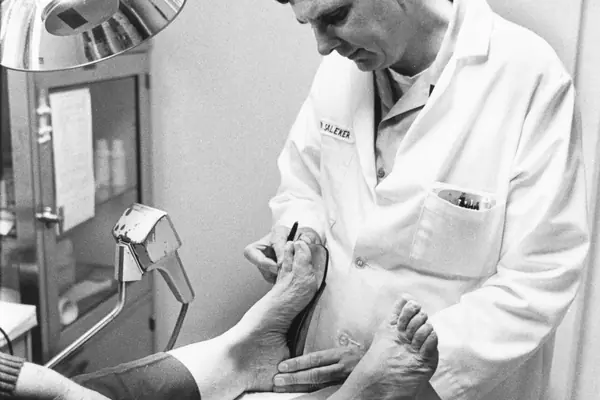
We begin by asking about your foot and back symptoms, your daily activity and your shoes. Then we do a biomechanical exam, checking foot shape, joint motion, strength and alignment from the hips to the feet. We watch your gait, in person and often on video. We may order imaging for foot or ankle problems if needed. We do not diagnose back disease, so we also suggest you see your primary doctor for back pain. Then we explain what we found and whether foot mechanics may play a part.
Biomechanical exam and gait analysis are part of how we work.
Treatment options
We start with conservative care. Surgery is only discussed when it is the best option for you.
- 1
Treating foot problems
If you have a foot problem such as plantar fasciitis or flat feet, we treat that first. Easing foot pain may help you walk in a more even way.
- 2
Gait and movement review
We show you what we see in your walking pattern. This may help you understand how your feet, hips and legs work together and what to work on.
- 3
Strength and mobility exercises
Exercises for the feet, calves and hips may help your body support itself. Your primary doctor or a physical therapist may advise back specific exercises.
- 4
Footwear advice
Supportive shoes that fit well may help comfort during standing and walking. We help you choose styles that match your foot type and daily needs.
- 5
Custom orthotics when helpful
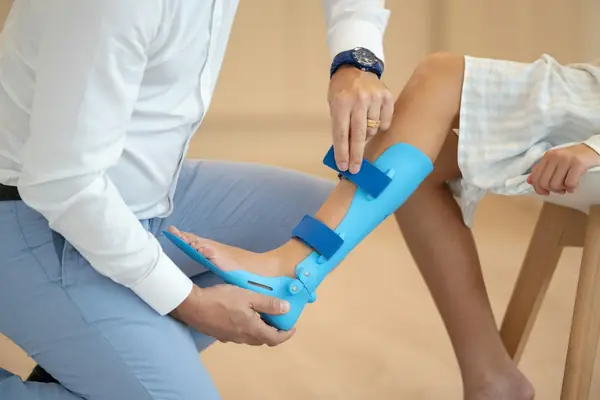
If foot mechanics seem to add stress, orthotics made from a scan or cast of your feet may help support the foot. They may help some people, and we cannot promise a change in back pain.
- 6
Teamwork with your other doctors
We suggest working with your primary doctor, and with a physical therapist if advised. Back pain often needs more than one kind of care. We are glad to share notes.
When to see a podiatrist
- You have foot, arch or heel pain along with back, hip or knee pain
- You have flat feet or high arches and ongoing aches in the legs or back
- Your shoes wear unevenly and you want to know why
- You have changed how you walk because of foot pain
- Red flag back symptoms need a primary doctor or ER first: numbness in the groin, loss of bladder or bowel control, weakness in the legs, fever, or pain after a major injury
Prevention tips
- Treat foot pain early so it does not change how you walk
- Wear shoes that fit well and replace them when they are worn
- Keep your calves, hips and core strong and flexible
- Move often if you stand or sit for long hours
- See your primary doctor when back pain lasts or keeps returning
Frequently asked questions
Can foot problems cause low back pain?
They may contribute for some people, but they are not the only cause. Foot posture and gait can change how force moves through the knees, hips and back. Back pain has many other causes, so we check your feet and also advise you to see your primary doctor.
Will orthotics fix my back pain?
We cannot promise that. Orthotics may help some people by supporting the foot and changing how force travels up the leg, but back pain has many causes. We use orthotics when your exam shows foot mechanics may play a part, and we explain what to expect.
Should I see a podiatrist or my primary doctor for back pain?
Start with your primary doctor for back pain, since many causes are not in the feet. A podiatrist can help if you also have foot problems, flat feet, high arches or gait concerns. The two kinds of care can work together, and we are happy to share information.
What back pain symptoms need urgent care?
Go to the ER or call your doctor right away for numbness in the groin or inner thighs, loss of bladder or bowel control, new leg weakness, fever with back pain, or pain after a major fall or crash. These can be serious and need prompt medical care.
How can my gait affect my hips and knees in Kirkland or anywhere?
Your gait sets how force moves through your joints with each step. If your foot rolls in a lot or stays stiff, the ankle, knee and hip may share extra load. Our Kirkland team can review your gait and foot mechanics, though results vary by person.
Related care

This page is general information. It is not medical advice and it does not replace an exam. If you have severe pain, an open wound, fever, or sudden numbness, get urgent care. Last updated.