
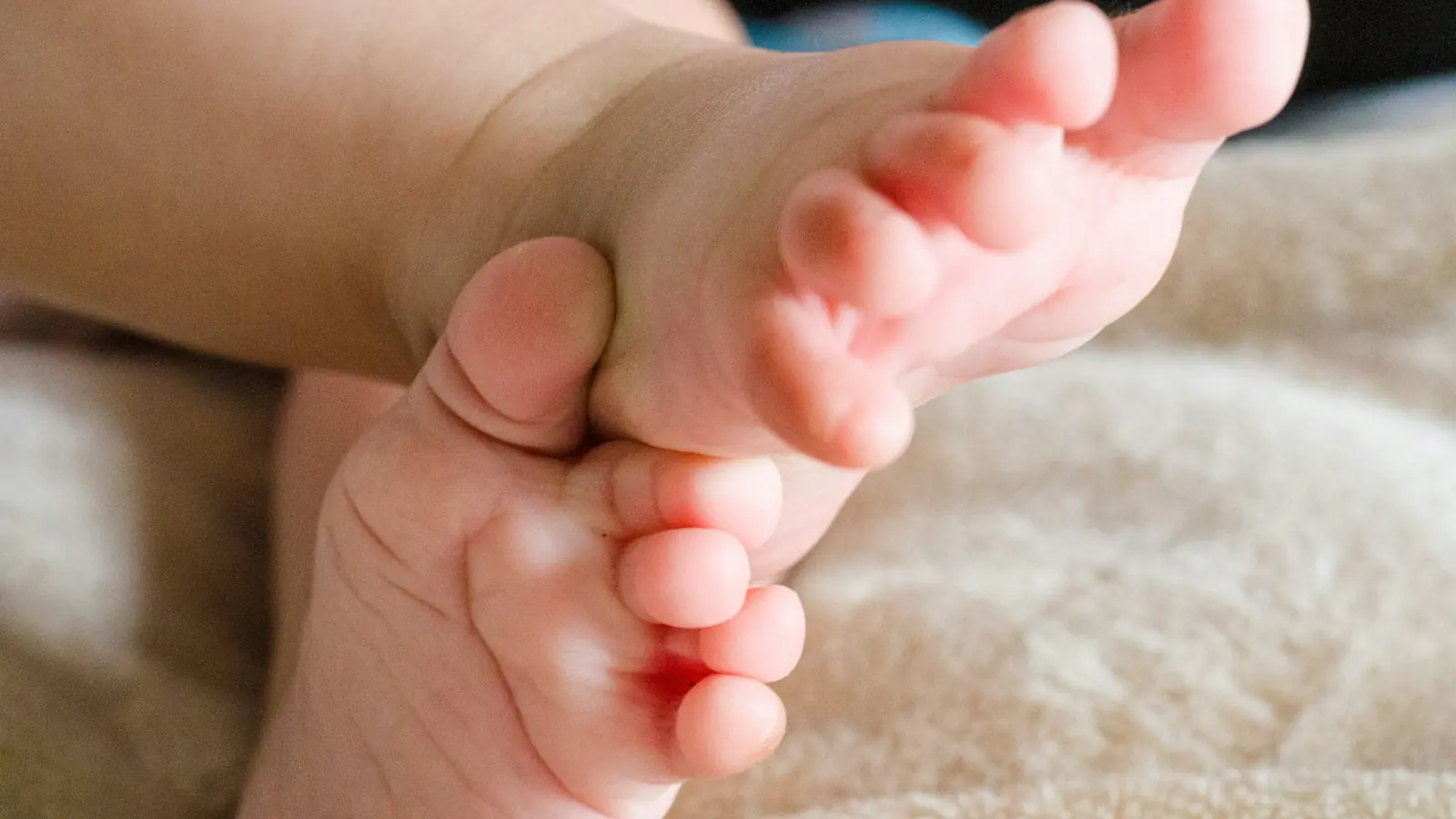
Understanding toe walking in children
Toe walking in children is common when kids first learn to walk. Many toddlers walk on their toes now and then, and most grow out of it. Your child may do it when excited, when walking barefoot or just for fun. It helps to note when it happens, such as in new shoes, on barefoot days or when excited, and to share a short phone video with us.
If your child still toe walks after about age 2 to 3, or does it most of the time, it is a good idea to get it checked. Persistent toe walking can have different causes. Some children simply have a habit. Others have tight calf muscles or a tight Achilles tendon. Starting early matters, because tight muscles can be easier to work with in younger children, and we like to find answers before habits set in.
Less often, it may be linked to a nerve, muscle or developmental condition, so a careful exam matters. We do not guess from a distance. At our Kirkland office, we look at how your child moves, explain what we find and work with your child's pediatrician when more input is needed. Our goal is to understand why your child toe walks, so the plan fits their needs and never relies on guesswork.
Signs and symptoms
- Your child walks on their toes most of the time, not only now and then
- Heels rarely touch the ground when walking or running
- Calf muscles look tight, or the ankle feels stiff when moved
- Your child trips or falls more than other children their age
- Your child has trouble standing flat with heels down
- Tiptoe walking started again after a time of normal walking
- Walking looks different between the two legs
Common causes
Habit
Some children get used to walking on their toes and keep doing it, even when their ankles move normally. It may be called idiopathic toe walking when no other cause is found.
Tight calf muscles or Achilles tendon
A short or tight calf can make it hard to get the heel down. Over time, toe walking may make the tightness worse.
Sensory preferences
Some children avoid the feel of the ground on their feet, or seek the pressure of tiptoe walking. This is one reason we ask about how your child reacts to textures and touch.
Developmental or neurological conditions
Toe walking can be linked to conditions that affect muscles, nerves or development. This is not common, but it is why a careful evaluation is worth doing.
Family pattern
Toe walking sometimes runs in families. If a parent or sibling walked on their toes as a child, it may help us understand your child's pattern.
How we diagnose it
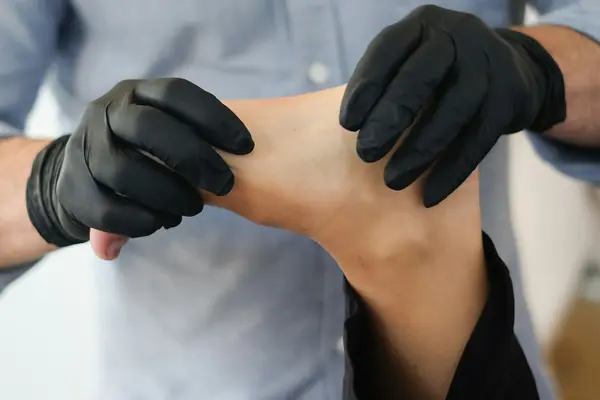
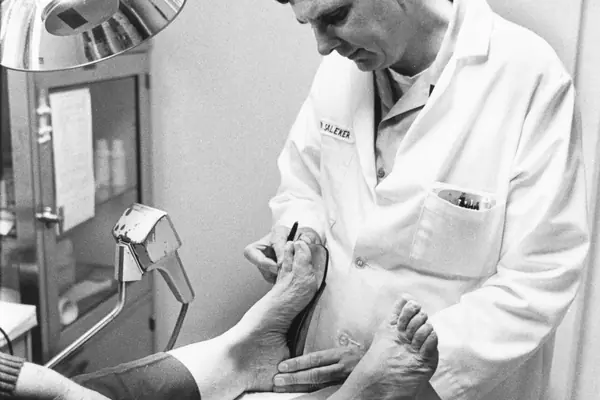
We begin with a full history. We ask when your child started to walk, when toe walking began, whether it comes and goes, and about any family history. Then we examine the feet, ankles, legs and hips, check calf flexibility and ankle motion, and test strength and reflexes. We watch your child walk, run and stand, and may use video gait analysis. Sometimes we suggest more testing or a talk with your child's pediatrician or another specialist. We do not diagnose from one visit alone, and we explain each step to you.
Biomechanical exam and gait analysis are part of how we work.
Treatment options
We start with conservative care. Surgery is only discussed when it is the best option for you.
- 1
Observation for young toddlers
If your child is very young and the exam is normal, we may suggest watching and rechecking. We tell you what to look for in the months ahead.
- 2
Stretching exercises
Gentle calf and ankle stretches may help if the muscles are tight. We show you how to make them part of play, such as animal walks and squats.
- 3
Shoe and insole changes
Certain shoes or inserts may help your child get the heel down. We choose these based on the exam and on how your child walks. We check the fit often.
- 4
Heel-down walking practice
Simple games and cues can help your child practice walking with heels down. Short, upbeat sessions often work better than long ones. We also review how your child feels about the ground.
- 5
Casting or bracing in some cases
If tightness is more fixed, a series of casts or a brace may be an option for some children. We would explain when and why before we suggest it. We would explain when and why before suggesting it to you.
- 6
Surgery as a last option
Surgery to lengthen a tight tendon is only considered when conservative care has not worked and the tightness limits function. We would discuss this with you carefully.
When to see a podiatrist
- Your child still walks on their toes most of the time after about age 2 to 3
- Toe walking began after your child had already been walking flat-footed
- Only one foot or leg is affected
- Your child has stiff ankles, trips often, or seems weak or clumsy
- Your child complains of leg or foot pain with walking
Prevention tips
- Encourage barefoot play on safe surfaces so your child feels the ground
- Make heel-down games part of play, like crab walks and squats
- Pick shoes that fit well and are flexible enough for natural steps
- Gently remind your child to walk flat, without scolding or pressure
- Keep regular checkups, and mention toe walking at well-child visits
Frequently asked questions
Is toe walking normal in toddlers?
Yes, it is common in toddlers who are just learning to walk, and many grow out of it. Occasional toe walking is often fine. If your child still walks mostly on their toes after about age 2 to 3, an evaluation is wise to look for a cause.
When should I worry about toe walking in my child?
Seek an evaluation if toe walking continues past about age 2 to 3, happens most of the time, is on one side only or began after normal walking. Also act if your child seems stiff, weak or clumsy. These signs do not always mean a serious problem, but they need a check.
What causes toe walking in children?
There are several possible causes. Some children simply develop a habit. Others have tight calf muscles. Less often, it can be tied to nerve, muscle or developmental conditions. Because the causes differ, we do a full exam and do not guess, so your child gets the right plan.
Can toe walking in children be treated?
Often, yes. Treatment depends on the cause and your child's age. Options may include stretching, walking practice, shoe or insole changes, and sometimes casts or a brace. Many children improve with conservative care, though results vary. We explain each choice and what to expect.
Where can I get toe walking checked near Kirkland?
Our Kirkland office evaluates toe walking in children from Totem Lake, Bellevue, Redmond, Bothell and nearby areas. We examine the feet, legs and walking pattern, and may coordinate with your child's pediatrician. Call 425-899-3234 to book a visit and talk through your concerns.
Related care

This page is general information. It is not medical advice and it does not replace an exam. If you have severe pain, an open wound, fever, or sudden numbness, get urgent care. Last updated.