
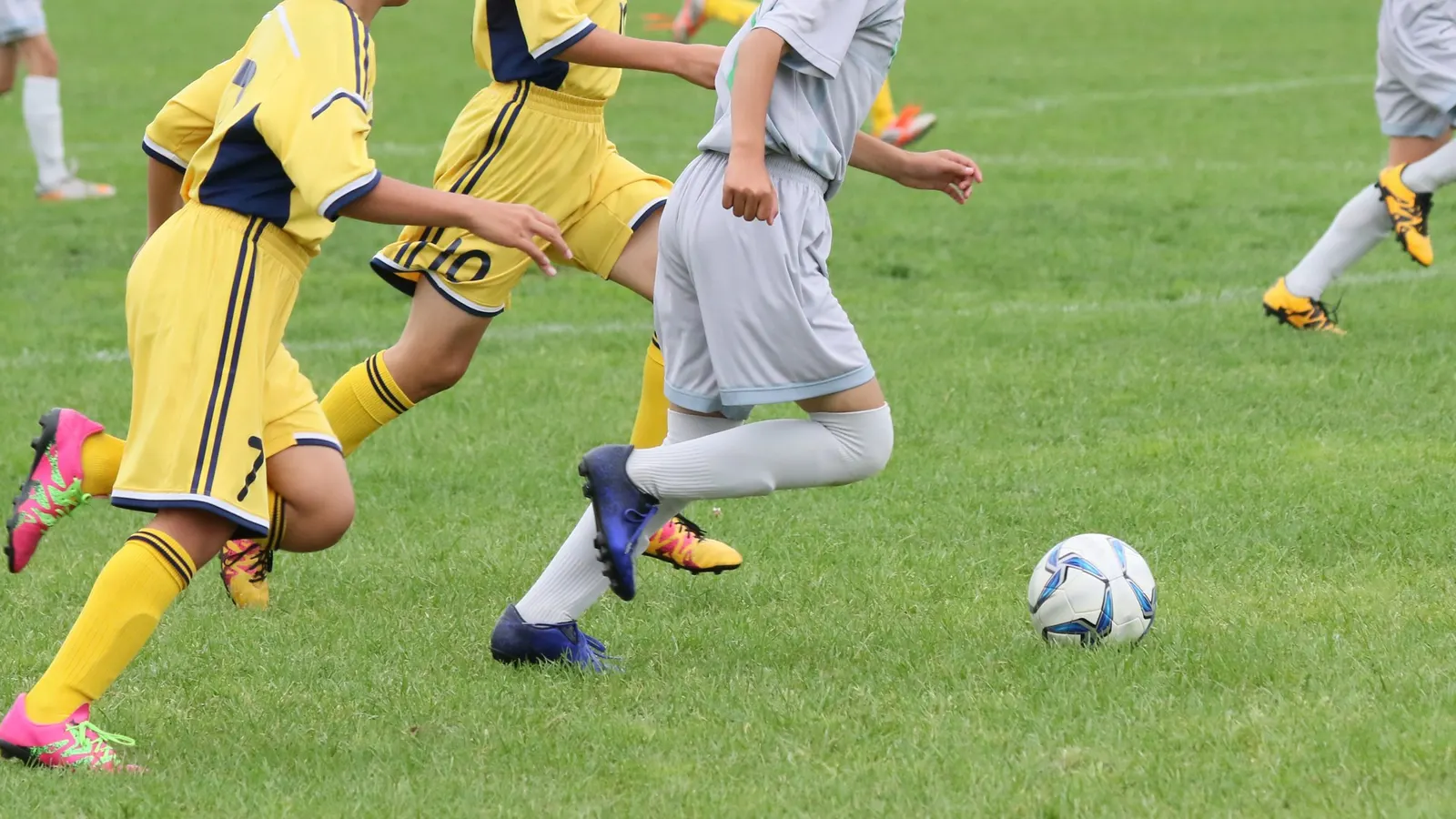
Understanding youth sports injuries
Youth sports foot and ankle injuries are common, because kids run, jump, twist and land all day. Some injuries happen in one moment, like an ankle sprain. Others build up slowly from overuse, like shin pain or a sore heel. Kids often hide pain because they fear missing a game, so watch for limping, changes in how they run or a sudden wish to skip practice.
Growing bones add another layer. Growth plates are softer than adult bone, so a child's injury can differ from an adult's. Pain that seems minor may still need an exam. Playing through pain is not a good plan for a growing athlete. Many problems get better with simple care when they are caught early, and a short rest now may prevent a long break later.
At Run Doctor, both Dr. Maurer and Dr. Cryderman have a sports background, and Dr. Cryderman is a former college athlete. We see young athletes from Kirkland, Bellevue, Redmond, Woodinville and Bothell. We aim to find the cause, treat conservatively and help your child return to sport safely. We work with parents, coaches and trainers when it helps, so your child gets the same clear message everywhere.
Signs and symptoms
- Pain that gets worse during sport and eases with rest
- Swelling, bruising or tenderness around the ankle or foot
- Heel pain after running or jumping
- Pain in the shin, arch or the top of the foot
- Limping, or trouble putting weight on the foot
- An ankle that feels unstable or keeps rolling
- Your child tells you they want to stop playing because of foot pain
Common causes
Ankle sprains
A twist or roll can stretch or tear the ligaments around the ankle. Sprains are common in basketball, soccer, volleyball and trail running.
Overuse and training load
Too much play, too soon, may strain bones, tendons and growth plates. Year-round sport and playing on several teams can raise the risk.
Growth plate irritation
Growth plates in the heel and other areas can become irritated from repeated stress. This is a common reason for heel pain in active kids.
Stress injuries to bone
Repeated stress can lead to small cracks in bone, called stress fractures. They may feel like pain that builds with sport and does not fade with rest.
Shoes, surfaces and foot mechanics
Worn shoes, hard surfaces and the way your child's feet move can add strain. A gait and biomechanical exam may point to changes that help.
How we diagnose it
We ask how and when the injury started, which sport your child plays, how often they train and what makes the pain better or worse. Then we examine the foot, ankle and leg, checking swelling, tenderness, motion, strength and balance. We watch your child stand and walk, and may use video gait analysis to see how the feet move. If we suspect a fracture or other injury, we may suggest an X-ray or other imaging. After the exam, we explain the likely cause and the next steps.
Biomechanical exam and gait analysis are part of how we work.
Treatment options
We start with conservative care. Surgery is only discussed when it is the best option for you.
- 1
Rest and activity changes
Time away from the painful activity gives tissue and growth plates time to settle. We help you plan how long to rest and what your child can do in the meantime.
- 2
Protective support
Depending on the injury, we may suggest a brace, tape, a walking boot or a supportive shoe. The goal is to protect the area while it heals.
- 3
Rehabilitation exercises
Strength, balance and flexibility work may help the ankle and foot heal and may lower the risk of another injury. We show your child exercises that fit their sport.
- 4
Shoe and gear review
We look at cleats, running shoes and court shoes. Worn or poorly fitting footwear may add to strain, and a better choice may help your child feel more comfortable.
- 5
Custom orthotics when needed
If foot mechanics seem to add to the problem, custom orthotics may help support the foot during sport. We recommend them only after an exam shows they may help.
- 6
Gradual return to play
We give a step-by-step plan to return to sport as pain settles. Surgery is only an option for certain injuries or when conservative care has not worked.
When to see a podiatrist
- Your child cannot put weight on the foot after an injury
- There is clear swelling, bruising, deformity or a pop at the time of injury
- Pain lasts more than a week or two, or keeps coming back with sport
- Pain wakes your child at night or is present even at rest
- Your child's ankle keeps rolling or feels unstable
Prevention tips
- Build up training slowly, and plan rest days and off-season breaks
- Make sure your child warms up before practice and stretches after
- Replace worn-out athletic shoes and use the right shoes for each sport
- Encourage balance and strength work for the feet and ankles
- Teach your child to speak up early when something hurts, and never to play through sharp pain
Frequently asked questions
What are common foot and ankle injuries in young athletes?
Common injuries include ankle sprains, heel pain from growth plate irritation, shin pain and stress injuries to bone. Youth sports foot and ankle injuries often come from a sudden twist or from doing too much too soon. An exam can sort out the cause.
Should my child play through foot pain?
No. Pain is a signal to stop and get checked, especially in a growing child. Playing through pain can turn a small problem into a bigger one. Let your child rest from the painful activity and book an exam if pain lasts or limits play.
How do I know if my child's ankle injury is a sprain or a break?
You cannot tell for sure at home. Severe pain, swelling, bruising, a deformed look or trouble putting weight on the foot may mean more than a sprain. Because a child's growth plates can be injured too, it is wise to get an exam and possibly an X-ray.
How long before my child can return to sports?
It depends on the injury, your child's age and how well they heal. Some kids return in days, while others need weeks or longer. We give a step-by-step plan based on pain, strength and movement, so your child comes back safely rather than too soon.
Is there a doctor for youth sports injuries in Kirkland?
Yes. Our Kirkland office treats young athletes, and our doctors have sports backgrounds. We see kids and teens from Totem Lake, Bellevue, Redmond and across the Eastside for foot and ankle problems. Call 425-899-3234 to ask a question or book a visit.
Related care
This page is general information. It is not medical advice and it does not replace an exam. If you have severe pain, an open wound, fever, or sudden numbness, get urgent care. Last updated.